
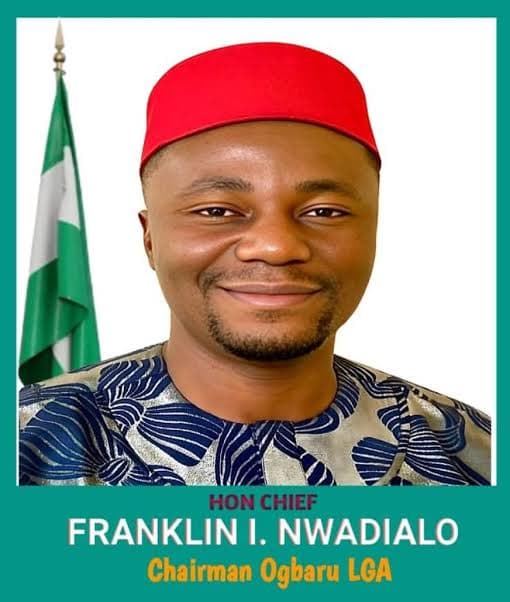
Nigerian Man Stole $3.5M From Grieving Widows for 15 Years. A Texas Airport Was His Downfall.
For 15 years, Franklin Ikechukwu Nwadialo used dating sites like Match, Zoosk and Christian Café to find widows and divorced women, tell them he was a soldier deployed overseas named "Giovanni," and slowly drain their savings. Eight victims lost a combined $3.5 million. One widow lost her home. Another spent three years in a fake relationship before the FBI told her the truth. On June 23, 2026, a federal judge in Tacoma called it "not an exaggeration to say it ruined lives" and sentenced him to five years in federal prison.
He Called Himself "Giovanni." He Was in the Military. He Could Never Meet in Person. He Stole $3.5 Million. He Just Got Five Years.
A Nigerian man who prosecutors say spent more than 15 years carrying out online romance scams that defrauded victims of more than $3.5 million was sentenced to five years in federal prison on June 23, 2026, in U.S. District Court in Tacoma, Washington.
His name is Franklin Ikechukwu Nwadialo. He is 42 years old. He operated out of Nigeria for over a decade and a half, targeting people who were already hurting, people who had lost spouses, or gone through divorce, or were simply lonely enough to hope that a stranger on a dating website might be the person their life had been missing.
He was not. He was "Giovanni." And Giovanni did not exist.
Who He Targeted and How He Did It
Nwadialo used different variations of the name "Giovanni" on dating platforms including Match, Zoosk and Christian Café. He allegedly used stolen images and false personal information, often claiming to be a military officer deployed overseas to explain why he could not meet victims face-to-face.
The military deployment cover story is one of the most common in romance fraud for a specific reason. It provides a ready-made explanation for why the relationship cannot progress to an in-person meeting. The victim is told: I want to see you. I love you. But I am deployed. I cannot come home yet. The story is designed to be emotionally compelling and structurally unverifiable.
Once Nwadialo had established the fake relationship and built emotional trust, the requests for money followed.
In one instance, Nwadialo told a victim that he had been fined by the military for revealing his location and asked the victim to help pay his fake $150,000 fine. Other manipulative ploys were used to convince his victims to send money.
A military fine. An emergency. A loan. A medical bill. The specific story varied. The outcome was consistent: victims sent money to someone who did not exist, for problems that were not real, across relationships that were entirely manufactured.
For over 15 years, he and his confederates manipulated older, often widowed or divorced, individuals with savings into believing they had serious romantic partners for their own financial benefit.
The Two Victims the Prosecution Described in Court
The prosecution's sentencing submission described two victims in particular. They are not named in the court records, but what happened to them is part of the public record.
One victim was in a "relationship" for three years with Nwadialo's fake online persona before learning the truth from the FBI. Three years. She believed she had a partner. She believed she was loved. She had conversations, exchanged messages, perhaps planned a future. The FBI told her it was all a performance conducted by a man she had never met, who was stealing from her while pretending to care for her.
Another victim was a widow who thought she had found love again following her husband's death. Instead, she lost her home and life savings and, even now, continues to suffer financially from the taxes, fees, and penalties she incurred from liquidating her accounts and home to help "Giovanni." Try as they might, those victims may never truly recover from Nwadialo's conduct.
She liquidated her home. She cashed out her savings. She paid taxes and penalties on the early withdrawal of funds because she believed she was helping a man she loved. She has no home. She has no savings. She is still living with the financial consequences of decisions she made based on a lie.
This is the human scale of what federal prosecutors described in the courtroom in Tacoma.
What the Judge Said
U.S. District Judge Tiffany M. Cartwright described the crime as "devastating," saying it was "not an exaggeration to say it ruined lives, not only financial lives" but also caused emotional harm, including "shame, depression, and isolation from their own family."
The judge's language was precise and significant. Shame. Depression. Isolation from family. These are not just incidental consequences of financial loss. They are the product of a specific kind of manipulation, one that makes victims feel responsible for being deceived, that generates embarrassment significant enough to push people away from the people they might otherwise turn to for help.
First Assistant U.S. Attorney Charles Neil Floyd, commenting on the sentence, said the defendant exploited people who were already dealing with grief and emotional hardship. "This defendant preyed on those already suffering from the loss of loved ones or other heartbreak. For some 15 years, he upended the lives of people he never met," Floyd said.
What the FBI Said
FBI Seattle Special Agent in Charge W. Mike Harrington said Nwadialo exploited vulnerable individuals seeking companionship online. "For years, Mr Nwadialo preyed on vulnerable victims looking for relationships online, gained their trust and told them lies to steal their life savings totalling millions of dollars," he said.
Harrington added: "Fortunately, although he operated his romance scams from overseas, Mr Nwadialo ultimately traveled to the United States where he could be arrested and held accountable for his crimes here in the Western District of Washington."
That last point is the key operational detail. Nwadialo ran this operation from Nigeria for 15 years. The US had an indictment against him from December 2023. He was arrested at a Texas airport in 2024 after arriving in the United States. The decision to travel to America, for whatever reason, was the decision that brought him within the jurisdiction of US federal law enforcement.
He was convicted on 14 counts of wire fraud. He was sentenced to five years in federal prison. The case was investigated by the FBI and prosecuted by Assistant United States Attorneys Sok Tea Jiang and David T. Martin.
The Broader Pattern: Nigeria and US Financial Crime Prosecutions
This case does not exist in isolation. Nwadialo's conviction adds to several recent cases of Nigerians being tried and sentenced for scam-related offences in the US. In April 2026, Patrick Nwaokwu was sentenced to 21 months in prison for his role in a nursing credentials fraud scheme that caused more than $1.5 million in losses. In March 2026, Adepoju Babtunde Salako was sentenced to 78 months in federal prison for his role in a multi-million-dollar COVID-19 relief fraud scheme.
The frequency of Nigerian nationals appearing in US federal courts on fraud charges is a reality that Nigeria's government, civil society, and anti-corruption agencies are aware of. The Economic and Financial Crimes Commission has made fraud prosecution a stated priority, and cooperates with the FBI and US Department of Justice on some investigations.
The damage done by cases like Nwadialo's is not only to the victims. It attaches a specific reputational cost to Nigeria and to Nigerians in the diaspora who do not engage in fraud but carry the country's passport into environments where its association with financial crime has been established by those who do.
Romance fraud specifically continues to grow globally. The FBI investigates hundreds of romance fraud cases every year, with losses reported in the hundreds of millions of dollars annually across the United States alone. The most common targets are older adults, widows, divorcees, and people experiencing loneliness or grief. The most common platform entry points are mainstream dating sites and social media.
How to Identify a Romance Scam Before It Is Too Late
The FBI and Federal Trade Commission recommend the following warning signs:
Someone you met online professes love or deep emotional connection very quickly. They claim to be in the military, working overseas, or otherwise unable to meet in person. They ask for money for emergencies, medical bills, travel, or any other reason. They cannot or will not video call, citing technical difficulties or operational security. Every time you try to arrange an in-person meeting, something prevents it.
If any of these patterns apply to an online relationship, the FBI recommends stopping all payments immediately, not sending additional money under any circumstances, and reporting the incident to the FBI's Internet Crime Complaint Center at ic3.gov.
Romance fraud victims are not naive. They are trusting. The distinction matters.
Sentence and What Comes Next
Franklin Ikechukwu Nwadialo was sentenced to five years in federal prison on June 23, 2026. He will serve that sentence in the United States. After release, he will face deportation proceedings as a foreign national convicted of federal crimes.
The eight victims he defrauded will not get five years of their losses back. The widow who lost her home will not have her home returned to her. The woman who spent three years believing in "Giovanni" cannot have those three years returned to her either.
Try as they might, those victims may never truly recover from Nwadialo's conduct.
The judge said so herself. In federal court. On the record. In Tacoma, Washington.
The sentence is five years.
Comments (0)
Leave a Comment
No comments yet. Be the first to share your thoughts!
Related News
Never Miss a Story
Get the latest breaking news and exclusive content delivered straight to your inbox.